
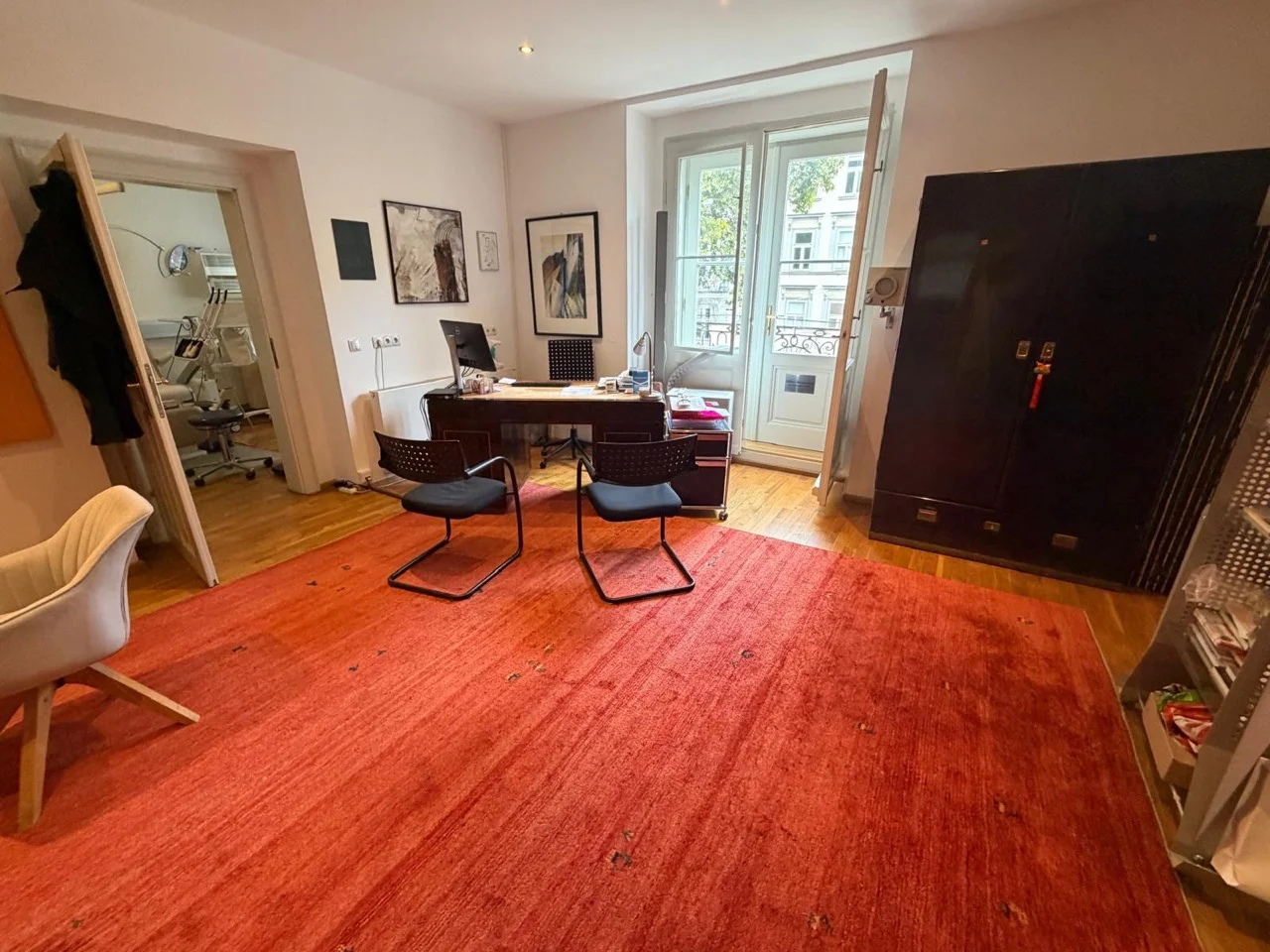
A first visit built around trust
Your first gynaecological consultation is a place for questions about periods, contraception, pain or physical changes. Feeling nervous is understandable. You can bring a trusted person and ask for any examination to be explained before deciding whether to proceed.
When is a first appointment useful?
You do not have to wait until a particular birthday or until you have had sex. An appointment can be useful whenever you need advice, have symptoms or want to discuss contraception. The first visit may consist mainly of a conversation; an internal examination is not automatically required.
Questions and symptoms you can discuss
- Pain in the lower abdomen, painful periods or severe premenstrual symptoms.
- Irregular, heavy or absent periods.
- Concerns about breast development, puberty or other physical changes.
- Contraception, sexual health and protection from sexually transmitted infections.
- HPV vaccination under the current Austrian programme.
If your first period has not started by age 15, or by age 13 when there are no other signs of puberty, seek medical advice. You can ask for an assessment earlier if you have symptoms or are concerned about your development.
What happens at the consultation?
We start with your questions and, where relevant, your cycle, symptoms, previous illnesses, medication and vaccinations. It may help to note the dates and length of your periods. You can say if you need a pause or do not want an examination.
A cervical cell test, often called a PAP smear, is not automatically performed simply because this is a first visit at age 15 or 16. The need for an examination or test is explained according to age, symptoms, history and current recommendations.
Contraception and confidence
There are choices beyond the pill and condoms. The discussion can cover hormonal and non-hormonal methods, how they are used, possible side effects and what suits your situation. Condoms also help reduce the risk of sexually transmitted infections. You are welcome to ask questions without embarrassment.
Further information: Austrian Health Portal: the first gynaecological visit (German) · NHS: starting periods.